
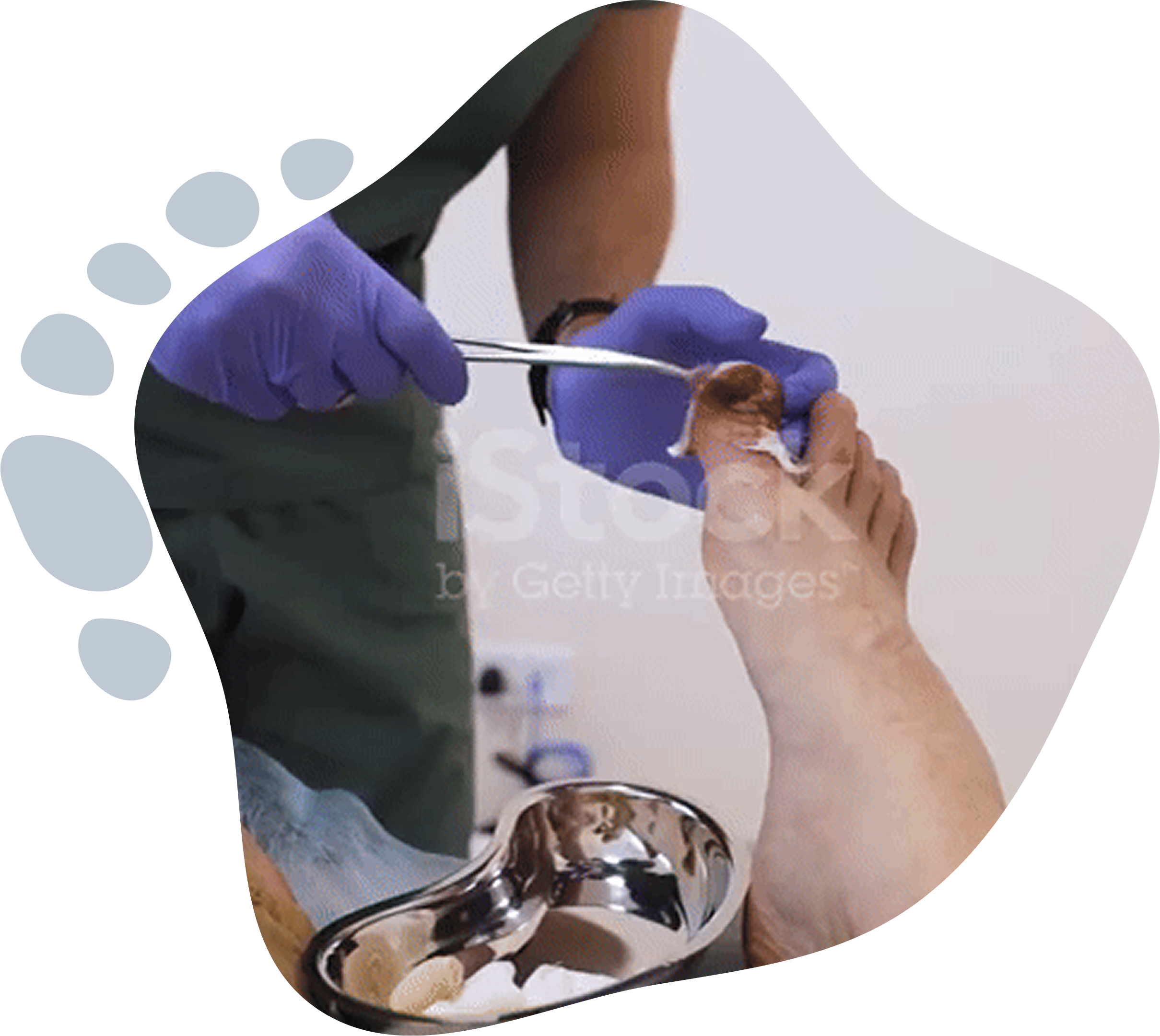
Ingrown Toenail Treatment
Gentle, effective relief to help you walk comfortably again.
- Gentle, safe treatment for ingrown toenails
- Provide immediate comfort procedures
- Advice to prevent recurrence
What Is an Ingrown Toenail?

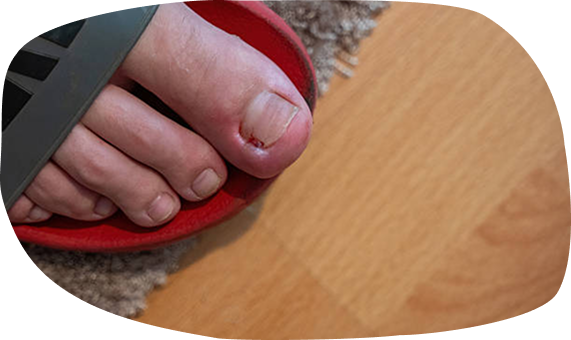
Ingrown toenails occur when the edge of the nail begins to grow into the surrounding skin, leading to pain, redness, swelling, and in some cases, infection. They often develop on the big toe and can make even simple activities like walking or wearing shoes uncomfortable. While anyone can experience them, factors like improper nail trimming, tight footwear, or injury can increase the risk. The good news is that with the right treatment and care, ingrown toenails can be effectively managed and future problems prevented.
Signs You Might Have One
That’s why early care matters addressing symptoms quickly prevents more serious problems.
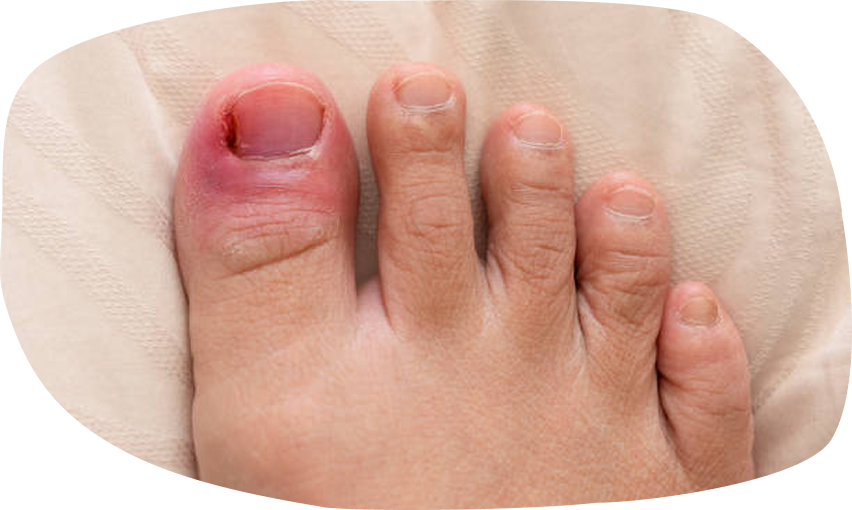
Redness & Swelling
Skin around the nail becomes sore, tender, and visibly inflamed.
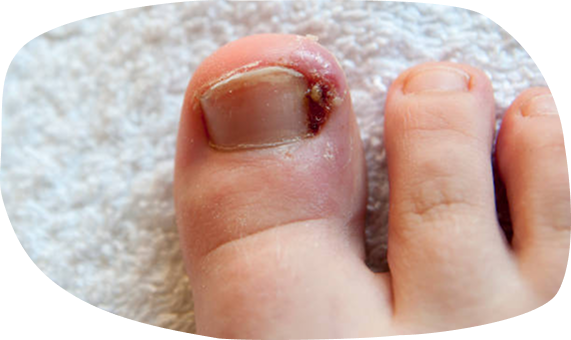
Sharp Pain
Discomfort when walking, standing, or wearing tight shoes.
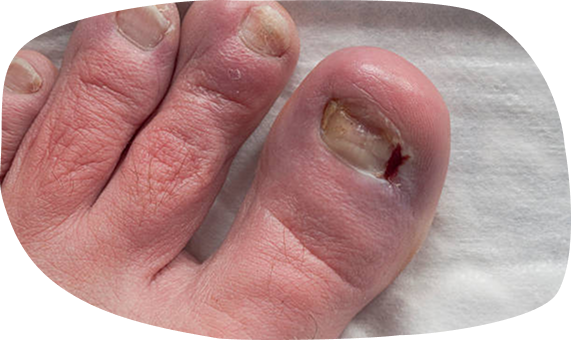
Possible Infection
Fluid buildup, warmth, or pus may appear if untreated.
Difficulty Wearing Shoes
Even light pressure from footwear can make the area painful.
Our 3-Step Approach to Comfort and Recovery for you
At Step Right, we believe in providing care that’s gentle, effective, and focused on long-term comfort.
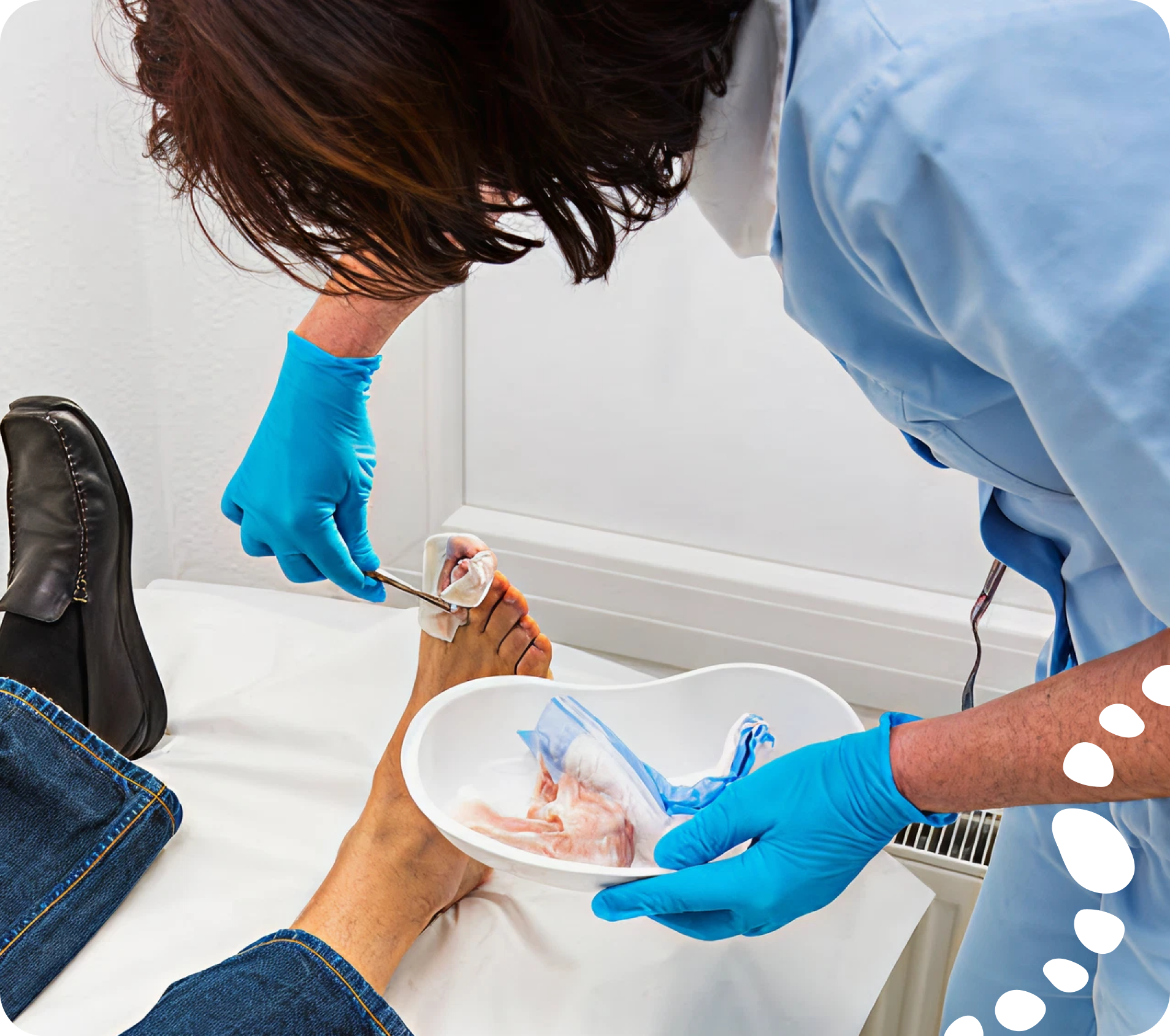
Our treatment for ingrown toenails follows a simple three-step approach designed to relieve pain quickly and help prevent the issue from returning:

Assessment
We carefully examine your toenail, check for infection, and make sure you feel comfortable throughout the process.

Treatment
From gentle trimming to minor procedures, we provide safe care to quickly relieve pain and restore normal movement.

Prevention
We guide you on nail-cutting techniques, footwear, and daily habits to help prevent ingrown toenails from coming back.
Frequently Asked Questions
That's why early care matters addressing symptoms quickly prevents more serious problems.
What causes an ingrown toenail?
Ingrown toenails usually happen when the nail grows into the surrounding skin. Common causes include improper trimming, tight shoes, injury, or genetics.
Can an ingrown toenail heal on its own?
In some cases, mild ingrown toenails may heal on their own with proper care. However, if symptoms persist or worsen, professional treatment is recommended.
Is the treatment painful?
Modern treatments are designed to minimize discomfort. Local anesthesia is typically used to ensure the procedure is as painless as possible.
How long does recovery take?
Recovery time varies depending on the severity and treatment method. Most patients can return to normal activities within a few days to a week.
Do I need surgery for my ingrown toenail?
Surgery is not always necessary. Many cases can be treated with conservative methods. Your healthcare provider will recommend the best approach based on your specific situation.

Don’t let foot pain hold you back
Take the first step toward lasting comfort with expert care at Step Right Foot Clinic.